How to Choose a Motorcycle Crankshaft Supplier in China: A Verification Checklist for Importers
How Do You Screen a Crankshaft Supplier in the First Ten Minutes?
Search results will give you dozens of names. Whether you typed motorcycle crankshaft supplier, crankshaft manufacturer or crankshaft wholesale in China, the list looks the same: similar product photos, similar claims, similar prices. The difference between a factory and a reseller — and between a controlled process and a lucky one — shows up in three questions. Ask them before you discuss price.
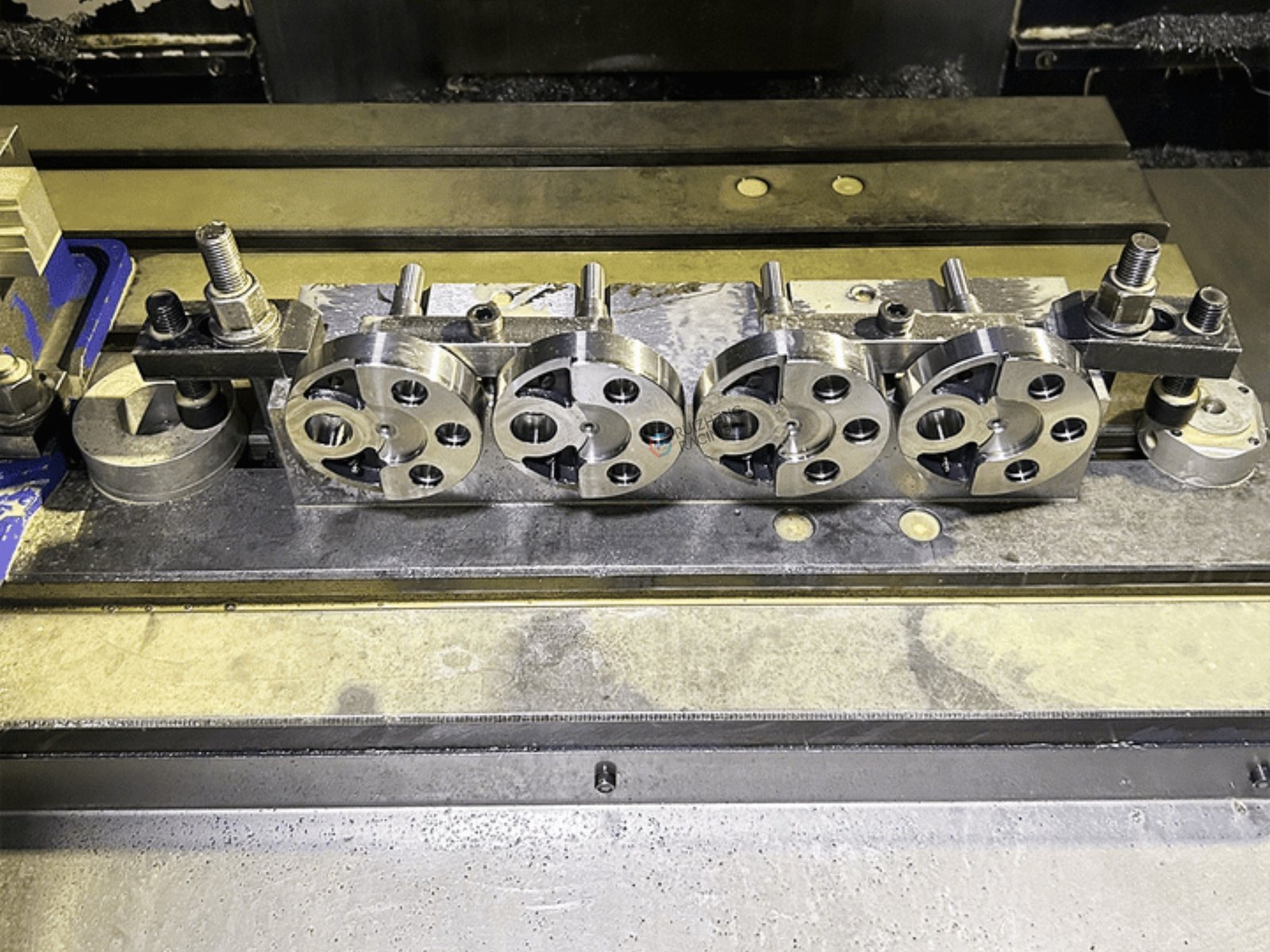
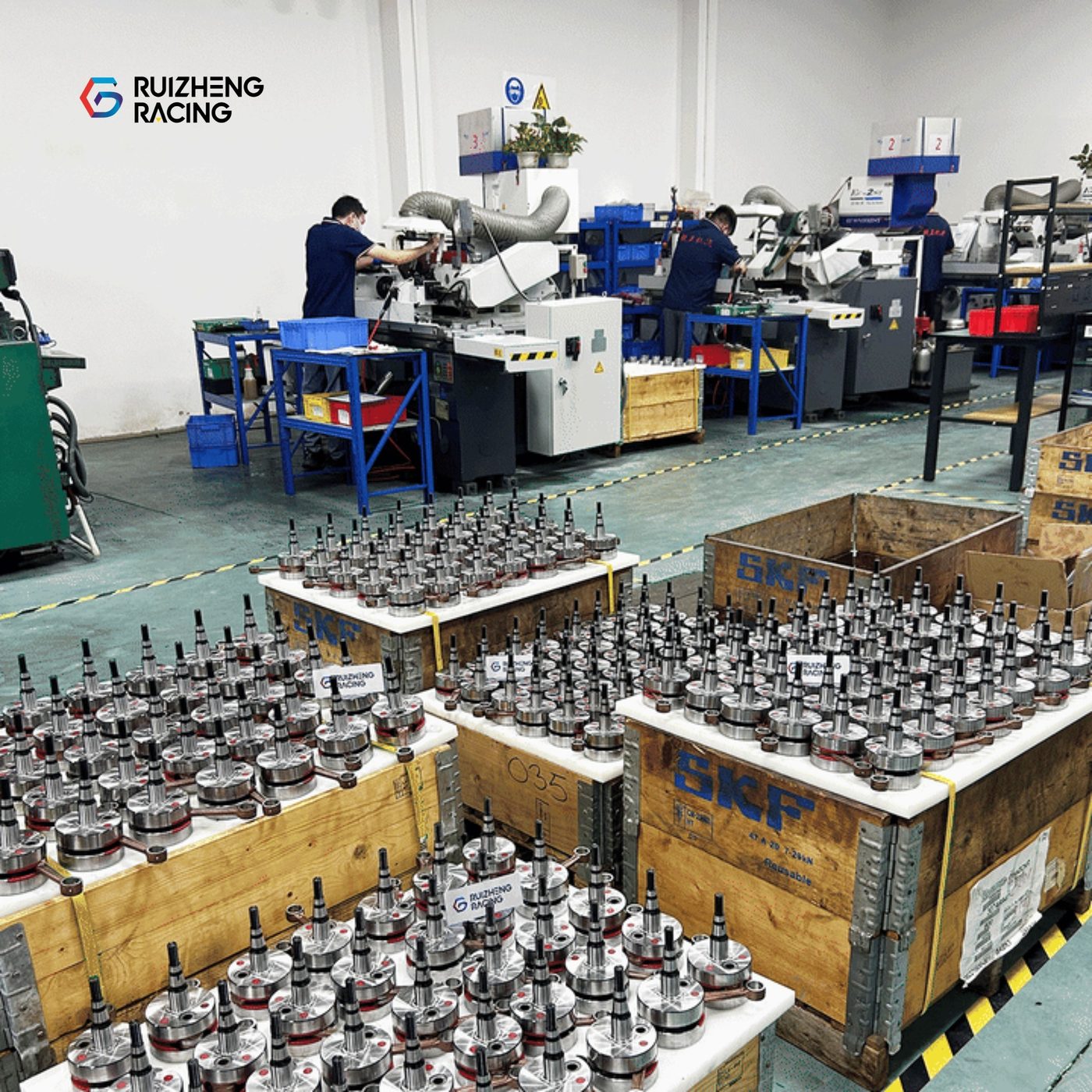
Question one: which processes are actually done in-house? Go step by step through the chain: blank and forging source, machining, heat treatment, grinding, dynamic balancing, and final inspection. A factory answers each item without hesitation. A reseller answers in general terms, because several of those steps happen somewhere else, under someone else's control.
Question two: can you show me a first-article inspection report for a crankshaft? Not a brochure, not a certificate wall — one measured report from one real part: dimensions, runout, hardness. If it exists, it takes a minute to send. (For comparison, our quality page publishes the inspection values we work to.) If the answer is a product catalogue instead, you have learned something important.
Question three: of the products you sell, how much is self-produced? Serious distributors ask this openly, because it decides who controls your quality. A supplier who cannot or will not put a figure on it is asking you to carry that risk yourself.
Three unclear answers — cross the name off the list. This takes ten minutes and costs nothing.
Why Does a Website-and-Price Shortlist Fail at the First Defective Batch?
Because a website proves that a company can build a website. Listed MOQs are not formal quotations, and a candidate list is not an audited factory. The failure usually surfaces late: samples pass, the first production batch drifts, and by then you have paid for tooling, samples, and freight — and your customers are waiting.
Ask yourself the uncomfortable version: if you keep shortlisting suppliers by website claims alone, will you only find out they never controlled production after you have paid for the samples? The checks below exist so that this question gets answered before money moves, not after.
Would You Judge a Restaurant by Its Lobby?
Nobody rates a restaurant by its lobby. The lobby is marketing; the meal is made in the kitchen, and the kitchen is where hygiene, process, and consistency either exist or don't.
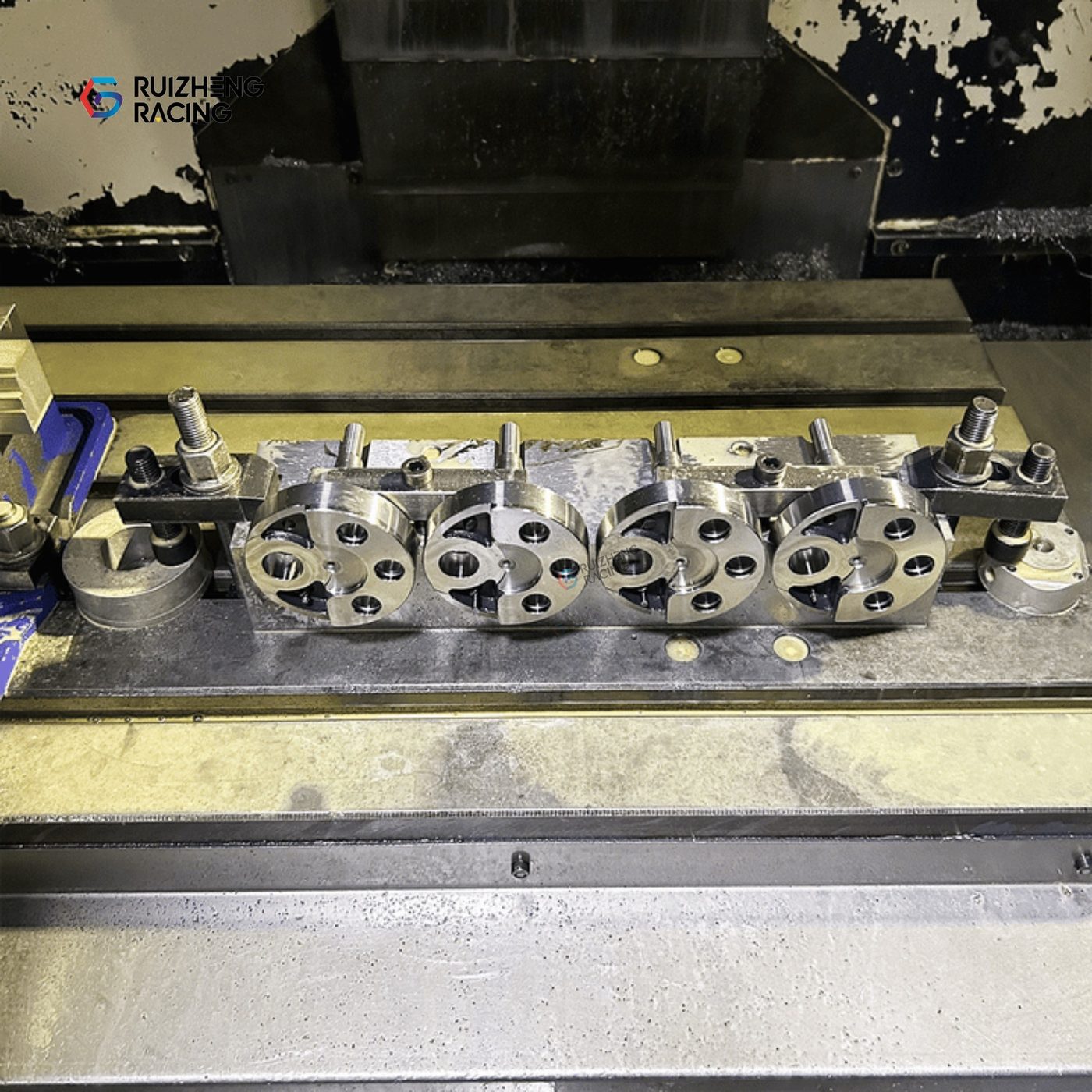
Crankshaft supply works the same way. The website, the exhibition booth, and the sales reply are the front of house. The product is made in the process chain — forging, machining, heat treatment, grinding, balancing, inspection. A crankshaft manufacturer controls that chain; a reseller rents it. So judge the kitchen: ask the supplier to disclose that chain step by step (our own chain is published on our manufacturing page), and treat a vague answer the way you would treat a restaurant that won't let anyone see how food is prepared.
What Should a Supplier Prove Before You Order Samples?
Use this six-point scorecard in your internal discussions. Score every candidate against the same six points, based on evidence received — not on impressions from a sales call.
Process-chain disclosure What to ask: Which steps — blank/forging, machining, heat treatment, grinding, balancing, inspection — are done in your own workshop? What counts as a pass: Each step answered specifically, with equipment or workshop evidence
Dimensional repeatability What to ask: Can you send a first-article inspection report, plus data from repeat production? What counts as a pass: A real measured report, and consistency shown across more than one batch
Material and heat treatment What to ask: Which material grade, which heat treatment, and how is it verified? What counts as a pass: Material certificates and hardness records available per batch
Balancing and runout data What to ask: What runout do you hold, and to what balancing grade? What counts as a pass: Figures stated in writing and backed by measured data
Batch traceability What to ask: Can a shipped batch be traced back to its material and inspection records? What counts as a pass: A clear yes, with the record system explained
Commercial terms in writing What to ask: MOQ, sample lead time, mass-production lead time? What counts as a pass: All confirmed in a formal written quotation — never taken from a web page
A blank row is a decision too: it tells you where your risk will sit.
What Do Importers Ask Before Ordering?
What dimensional accuracy should a crankshaft supplier be able to show?
Use concrete figures as your benchmark: key dimensions held to ±0.003 mm, crankshaft runout at or below 0.02 mm, and dynamic balancing to grade G2.5–G6.3. A supplier who cannot state their figures at all has never measured them.
What MOQ and lead times are realistic for custom crankshafts?
For crankshafts, an MOQ around 300 pcs is typical for a factory programme, with samples taking 15–45 days and mass production 30–60 days depending on specification and quantity. Treat any figure that is not in a written quotation as unconfirmed.
How can you verify inspection capability without visiting the factory?
Ask what the inspection was measured on. Credible answers name real equipment — for example a Zeiss SPECTRUM CMM, a Shinrein 4030 3D optical measuring machine, and a Rockwell hardness tester — and come with the report the equipment produced.
What Is the Safest Next Step?
Do not send your drawings to one favourite. Send the same drawing package and the same inspection plan to your top three candidates at the same time, score their replies against the six-point scorecard, and place a sample order with the first-ranked supplier only. Identical inputs make the replies comparable — and the quality of each reply is itself inspection data. If your programme is a custom crankshaft, this test matters even more: custom work exposes process control that catalogue products hide.
Ruizheng Racing, a crankshaft maker in Foshan, Guangdong (est. 2013, 2,000 m² factory, 70+ machines, crankshaft MOQ 300 pcs, custom production to your sample or drawing — full background on our about page), welcomes being checked against this same standard; its inspection figures are published on its quality page.